
A UK 3PL That Answers The Awkward Questions First
Choosing a third-party logistics partner is mostly an exercise in working out what a provider is not telling you. This page is the version of our pitch with the caveats left in.

Why choosing a 3PL is harder than it should be
Every provider's website says the same four things. The differences that decide whether the relationship works are the ones nobody publishes.
The quote is not the price
A per-order rate looks comparable until the first invoice arrives with goods-in handling, packaging, surcharges and a storage band you did not know existed. Comparing two quotes on the headline number compares almost nothing.
You cannot tell whose building it is
"Six hubs" can mean six leases or six partners reselling space. It matters when a problem needs someone on the floor to fix it and the person you are calling has to ring somebody else.
Accuracy figures with no method behind them
A pick accuracy percentage means nothing without knowing what counts as an error and over what period it was measured. Almost nobody states either.
Leaving is designed to be painful
Exit terms are often left vague until the point you want to use them, at which point the cost of extracting your stock becomes a negotiating position.
What we do differently, specifically
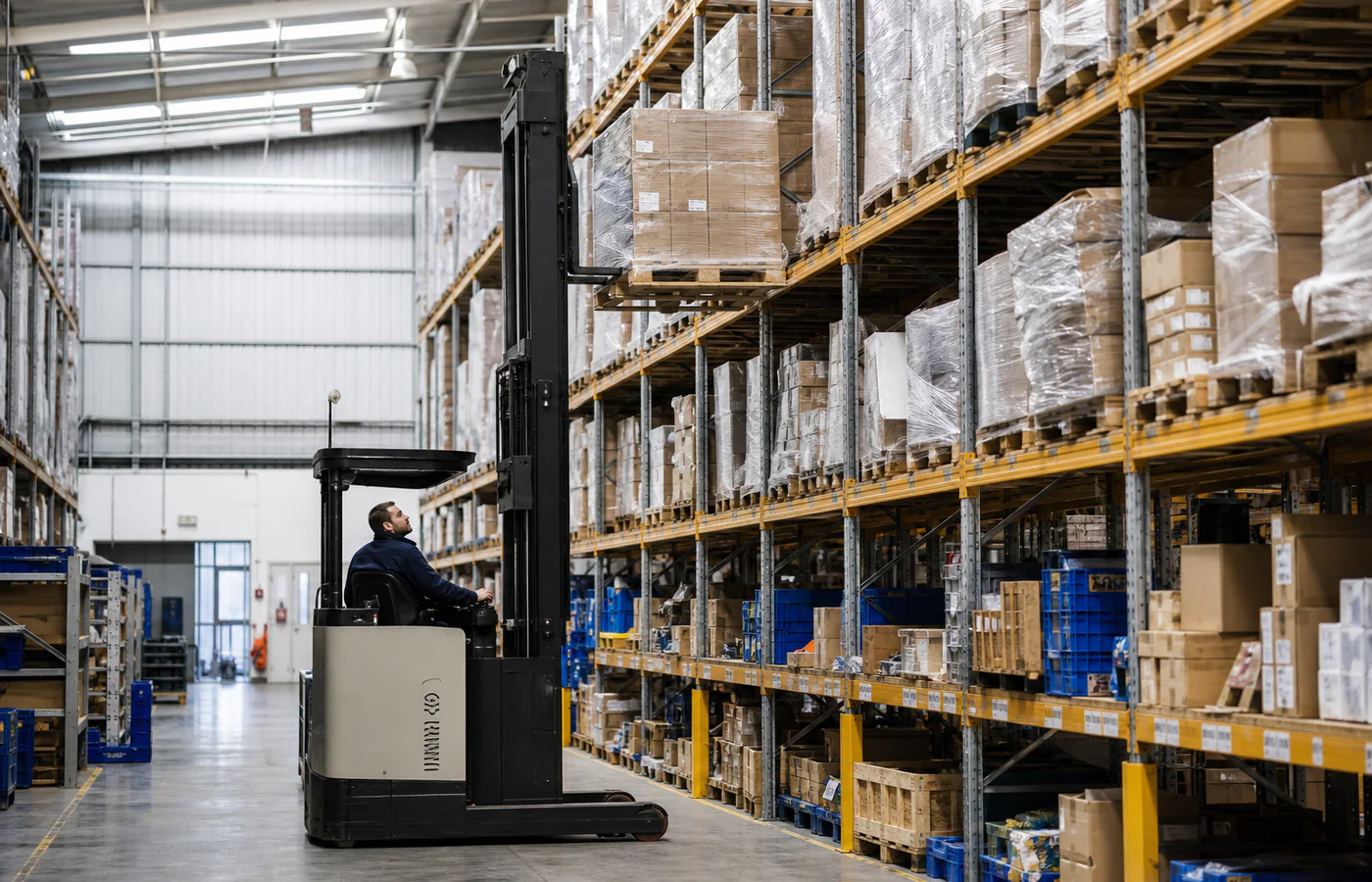
PickPackFlow is a UK third-party logistics operation covering the full chain: inbound freight, goods-in, racked storage, scan-verified pick and pack, carrier dispatch, returns and marketplace prep. One team, one stock pool, one person accountable for your account.
The difference we would actually defend is not the equipment — most competent 3PLs run similar kit. It is that the things which usually surface at month three are on the table in week one: what is not in the rate, who owns the building, what the service level excludes, and what it costs to leave.
- Every charge named in the proposal, including surcharges and goods-in handling
- Facility tenure stated plainly — owned, leased or partner-operated
- Service levels published with their exceptions attached
- Exit terms agreed in writing at the start, not at the end
- A named account manager, reachable by phone during working hours
- Rolling agreement with a notice period rather than a multi-year term
Questions worth asking any 3PL, including us
Take these to every provider on your shortlist. The answers separate operations that have thought about it from operations that have not.
What is your dispatch cut-off, and what stops it being met?
A cut-off with no stated exceptions has not been thought about. Ask what happens at peak, what happens when stock does not reconcile at pick, and who tells you.
How do you measure pick accuracy?
Ask what counts as an error, whether customer-reported errors are included, and over what period. A figure without a method behind it is decoration.
Is this building yours?
Owned, leased or a partner's floor. All three can work. Not knowing which one you are buying cannot.
What is not in this quote?
Goods-in handling, packaging, pallet in and out, surcharges, minimum monthly charge, and per-unit work. Get the list in writing before you compare.
What happens if I want to leave?
Notice period, the cost of picking and palletising your stock, and how quickly it can be released. Vagueness here is the answer.
Can I visit mid-shift, unannounced?
A scheduled tour shows you a tidied warehouse. Two o'clock on a Tuesday shows you the operation you are actually buying.
What we can evidence today
Process commitments we will put in the agreement, rather than performance claims we have not yet measured over a full year.
Scan verification at every touch
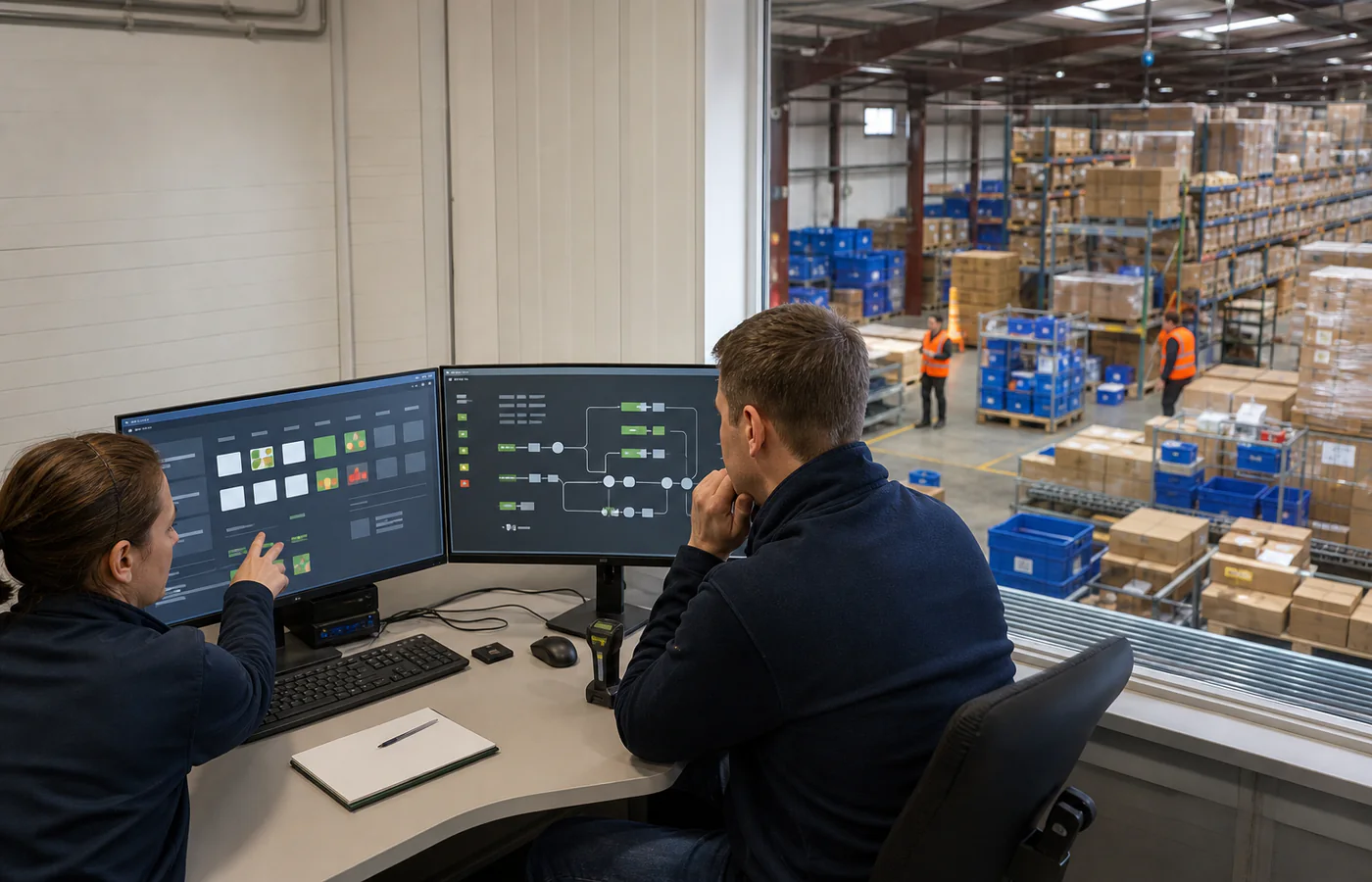
Goods-in, pick, pack and dispatch are all scanned to a location. The audit trail behind any parcel can be produced on request.
Service levels in the agreement
The cut-off, put-away window, returns turnaround and exception reporting times are contractual, with their exceptions listed.
Site visits mid-shift
Come during a working day rather than a tour slot. We would rather you saw the operation under load.
Reference calls with current clients
Matched to your category and volume, and conducted without us on the line.
3PL Fulfilment UK questions
The ones that come up on almost every call about this.
Third-party logistics: you outsource storage, order fulfilment and shipping to a provider who does it on your behalf. You keep the customer relationship, the brand and the buying decisions. We hold the stock, pick and pack the orders and hand them to the carriers.
There is no minimum with us: rates start at £1.00 per order for 1–49 orders a month and fall to £0.80 at 500 or more, so you know the per-order cost before you move. The case usually becomes clear once packing is taking time you should be spending on product, marketing and buying.
A warehouse stores things. A fulfilment centre picks and packs orders. A 3PL covers the whole chain, usually including inbound freight, returns and carrier management — which matters because the failures tend to happen at the handovers between those functions.
You set the packing specification — carton, void fill, inserts, packing slip, tape — and it is applied identically to every order. What you lose is the ability to make an exception at the bench, which is also the thing that makes consistency possible.
Two to three weeks for a mainstream platform and a straightforward catalogue: a week to connect channels and map SKUs, a week for the inbound delivery and put-away. Complex kitting or bespoke integrations add time, and we say so before you commit.
You can, and some brands split by channel or by geography. It costs more in total and it splits your stock pool, which reintroduces the overselling problem. It is usually worth it only when the two operations are genuinely different — say, parcels in the UK and pallets into EU retail.
Where to look next


Put us on the shortlist and ask the hard questions.
Send your volumes and channels. You will get a costed proposal with every charge named, and a straight answer to anything on the list above.