
Warehousing & Storage Built Around Your Stock Profile
Racked, barcoded and counted. Storage that adapts to how your stock actually moves, instead of forcing every SKU into the same pallet space.
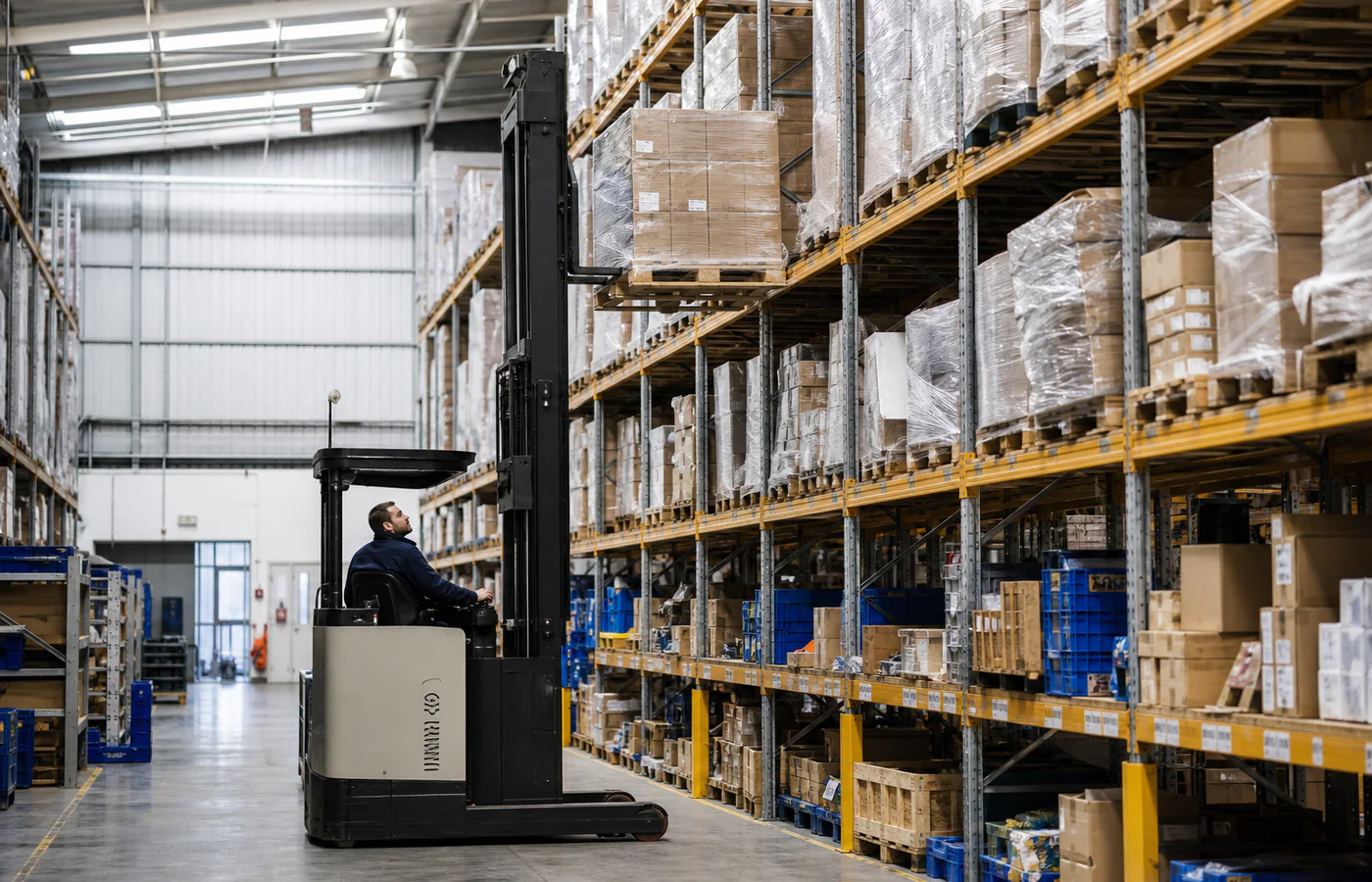
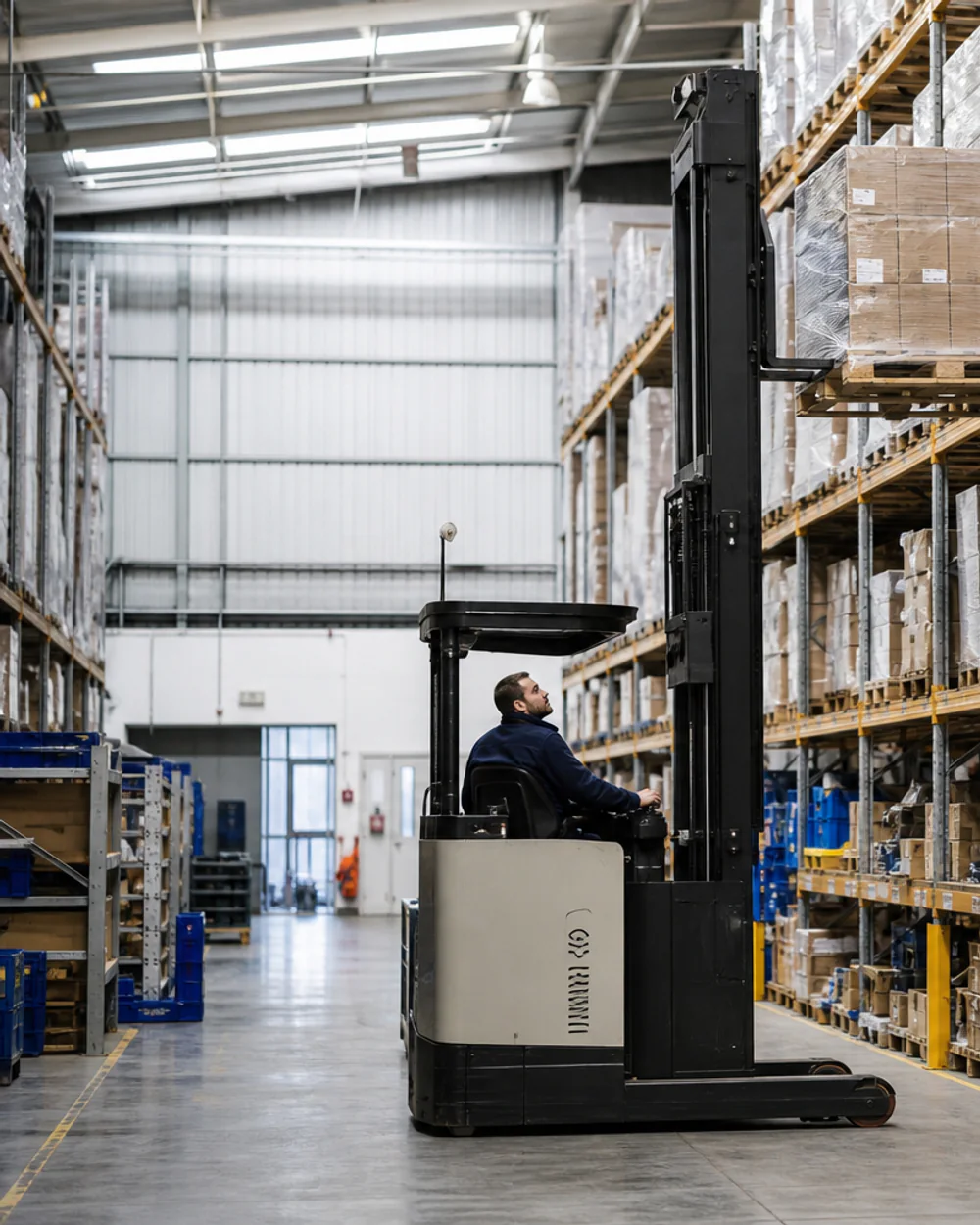
Storage is not a cupboard, it is a data problem
Cheap storage is easy to find. Storage where the system knows exactly what is on every shelf, how old it is and which batch it came from is considerably harder — and it is the difference between a stock figure you can sell against and one you have to check first.
We profile your catalogue before anything is racked. Fast movers go to accessible pick faces near the packing benches. Slow movers and bulk go to higher-density locations. Fragile, high-value or age-sensitive lines get storage conditions that match, including secure caged areas where they are warranted.
The result is a floor plan built around your order profile rather than around whatever space happened to be free that week — which shortens pick routes, reduces damage, and keeps your storage bill proportionate to what you actually hold.
Everything covered by warehousing & storage
Goods-in and ASN checking
Every inbound delivery is counted against the advance shipping notice, photographed if damaged, and discrepancies are reported the same day.
Location-level tracking
Each unit sits in a barcoded location. A stock query returns not just a quantity, but where it is and when it landed.
Batch, lot and expiry control
FIFO and FEFO picking rules for consumables, cosmetics and anything with a shelf life, with full traceability by batch.
Cycle counting
Rolling counts by location and by velocity, so accuracy is maintained continuously rather than corrected once a year.
Secure and monitored space
Alarmed, CCTV-monitored facilities with caged areas available for high-value lines, and goods-in-trust insurance in place.
Flexible capacity
Take more space for a seasonal build-up and release it afterwards, without renegotiating a multi-year lease.
The warehousing & storage process
The same sequence runs every time, which is what makes the result predictable.
- 01
Profile the catalogue
We look at unit dimensions, weight, velocity and handling requirements to decide how each SKU should be stored.
- 02
Book the delivery in
Inbound slots are booked against the dock so containers and pallet deliveries are not queueing at the gate.
- 03
Check and put away
Counted against the ASN, quality checked, labelled where required and put away to its assigned location type.
- 04
Count and replenish
Pick faces are replenished from bulk automatically, and cycle counts run continuously against a rolling schedule.
How the warehouse is held to account
Storage without measurement drifts. These are the standards we run the floor against and report on.
- Standard put-away from goods-in
- 48hStandard put-away from goods-in
- Cycle count cadence on fast movers
- WeeklyCycle count cadence on fast movers
- Alarmed and CCTV monitored
- 24/7Alarmed and CCTV monitored
- Rotation rules applied by SKU
- FIFO / FEFORotation rules applied by SKU
Storage types available
Most catalogues end up using two or three of these at once. Box and pallet storage are on our published rate card; specialist storage is quoted with you before stock arrives. Your account manager will recommend a mix after profiling the SKU list.
| Storage type | Rate | Best suited to |
|---|---|---|
| Standard pallet racking | £10.00 per pallet, per month | Bulk stock, wholesale cases, inbound container loads |
| Shelf, bin and box storage | £0.55 per cubic ft, per week | Small items, fast-moving lines, accessories and spares |
| Bulk floor space | Quoted separately | Oversized, irregular or seasonal stock held in volume |
| Secure caged storage | Quoted separately | High-value, age-restricted or theft-sensitive lines |
| Ambient controlled | Quoted separately | Cosmetics, supplements and anything temperature-sensitive |
What changes once this is running
A stock figure you can sell on
Location-level tracking and rolling counts mean fewer oversells and less time spent verifying numbers by hand.
Storage costs that match usage
You pay for the space your stock actually occupies — by the cubic foot or by the pallet — not for a fixed footprint you have not filled.
Traceable and compliant
Batch and expiry control gives you a defensible audit trail if a line ever has to be recalled.
Room to build up
Bring stock in early for a launch or a peak without committing to space you will not need in February.
Warehousing & Storage FAQs
Looking for something more general? Read the full FAQ page.
Boxed or loose stock is £0.55 per cubic foot per week; palletised stock is £10.00 per pallet per month. You are not charged for a fixed footprint you have not filled, you can scale up and back down as the season demands, and new clients pay no storage in their first two months. Caged, ambient-controlled and oversized storage is quoted separately.
We hold goods-in-trust cover, and we will confirm the limit in writing during onboarding. High-value catalogues sometimes need a higher limit than the standard policy provides, so tell us the peak value you expect to hold and we will confirm what is needed before stock arrives.
Yes, and it is usually the cheapest route. We book the container or pallet delivery in against a delivery slot, check it against the ASN on arrival, and handle unloading and put-away. Send the paperwork ahead of the shipment so goods-in know what to expect.
Yes. Batch and expiry are captured at goods-in and picking follows FEFO, so the shortest-dated stock leaves first. You get visibility of what is approaching expiry in time to do something about it.
It is your stock. Give us notice, and we will pick, palletise and release it — either to your own transport or through our cargo transport service. Exit terms are set out clearly in the agreement rather than buried in it.
Services brands usually pair with this one

Tell us what you need to store
Send your SKU list with dimensions and expected volumes, and we will come back with a storage mix and exactly what it will cost.