
Amazon Fulfilment Without The Metric Anxiety
Merchant-fulfilled orders picked and dispatched inside Amazon's handling window, with valid tracking uploaded before the clock runs out — because on Amazon, late dispatch is not a service issue, it is an account issue.
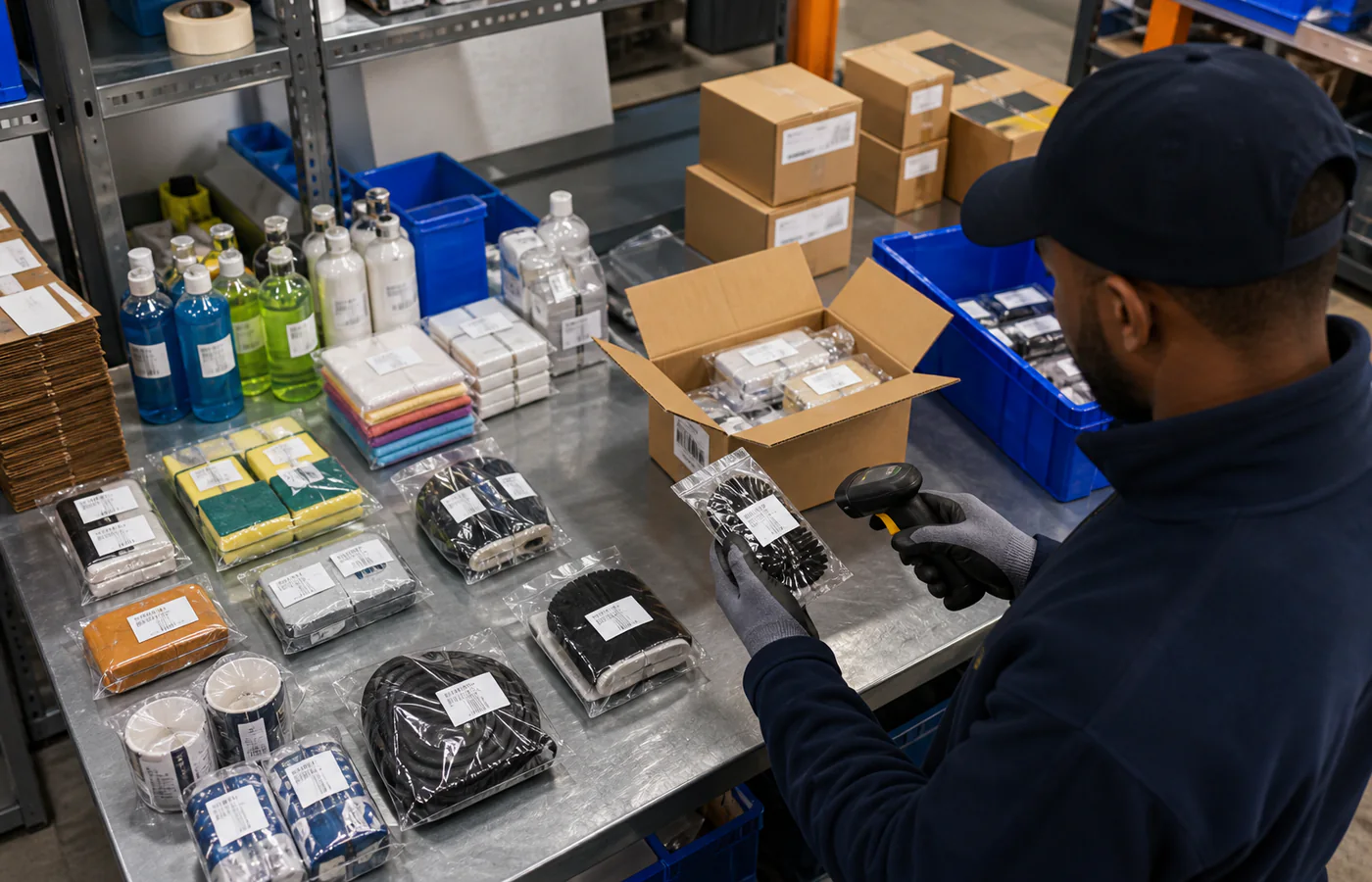
Amazon punishes fulfilment problems differently
On your own store, a late parcel costs you a complaint. On Amazon it costs you the Buy Box, and eventually the account.
Late Dispatch Rate
Dispatch confirmed after the handling time counts against you whether or not the parcel actually left on time. The metric measures the confirmation, not the van.
Valid Tracking Rate
Tracking has to be uploaded, from a recognised carrier, and it has to scan. A tracking number that never gets a carrier scan fails the metric as surely as no tracking at all.
Order Defect Rate
Negative feedback, A-to-z claims and chargebacks roll into one number that governs your selling privileges. Most of what feeds it originates in fulfilment.
Split inventory across FBA and FBM
Stock held for FBA replenishment and stock held for merchant fulfilment usually end up counted separately, and one side runs out while the other is sitting on cover.
Prime handling windows
Seller Fulfilled Prime leaves no room in the day at all. It works only where cut-offs, carrier services and weekend cover have all been arranged in advance.
How we run merchant-fulfilled Amazon
Amazon orders pull into the same queue as every other channel and are picked from the same stock pool, so FBM and FBA replenishment stop competing for inventory that is being counted twice.
Dispatch confirmation and tracking are uploaded at the point the label prints, not batched at the end of the day, because the difference between those two habits is the difference between a healthy Late Dispatch Rate and a warning email. Carrier selection is restricted to services Amazon recognises and that reliably produce a first scan.
- Orders dispatched inside Amazon's stated handling time
- Tracking uploaded at label print, from recognised carriers
- One stock pool shared between FBM and FBA replenishment
- FBA prep from the same building — no second provider, no extra leg
- Amazon-compliant packing where the listing requires it
- Buy Box-relevant dispatch performance treated as a hard commitment
The Amazon-specific decisions we make with you
Selling on Amazon is a compliance exercise as much as a logistics one. These are the points where the two meet.
Handling time versus our cut-off
Your listed handling time is set with our cut-off in mind rather than optimistically. A realistic handling time you always meet beats an aggressive one you miss twice a month.
Carrier services that scan
We restrict Amazon dispatches to services with a reliable first scan. A cheaper service that scans late is more expensive once it costs you Valid Tracking Rate.
Stock allocation between FBM and FBA
You set the split, or a reorder point that triggers an FBA shipment. Either way both draw from one counted pool rather than two estimates.
Buy Box protection during stock gaps
A holdback figure you set keeps a small buffer off the channel, so a race between marketplaces does not become a cancellation and a defect.
Returns and A-to-z exposure
Returns are received and graded quickly, because an unresolved return is what turns a refund request into a claim against your account.
Seller Fulfilled Prime, honestly assessed
SFP needs weekend dispatch and premium carrier services. We will tell you whether your order profile and margin support it before you enrol, not after.
Checkable in Seller Central
Every claim on this page shows up in your own account health dashboard.
Late Dispatch Rate
Visible in Seller Central, measured by Amazon rather than reported by us.
Valid Tracking Rate
Amazon records whether tracking was uploaded and whether it scanned. Nothing to take on trust.
Dispatch confirmation timestamps
Every order carries the timestamp Amazon received. It either met the handling time or it did not.
Scoped MWS/SP-API access
We connect with the permissions you authorise, and you can revoke access from Seller Central at any time.
Amazon Fulfilment questions
The ones that come up on almost every call about this.
Yes, from the same stock. Merchant-fulfilled orders ship direct to the customer and FBA shipments are prepped, labelled and booked into Amazon from the same building — which removes a transfer leg and a second provider from the chain.
It depends on your order profile, your carrier requirements and whether weekend dispatch is workable for your volume. We will assess it honestly rather than enrol you into a programme whose metrics you cannot sustain, because failing SFP is worse than never joining it.
One counted pool with an allocation rule you set — either a fixed split or a reorder point that triggers an FBA shipment. The problem you are describing is caused by counting the same stock twice, so we do not do that.
Our prep team tracks the requirement changes and applies the current specification. Where a change affects your listings or your cost per unit, your account manager tells you before the next shipment goes rather than after it is rejected.
Yes, for merchant-fulfilled orders shipping from the UK, with customs documentation generated at dispatch. Whether that is the right structure versus holding stock inside the EU depends on your volume and margin, and we will give you a straight answer on it.
It should improve it, provided the handling time on your listings is set against our cut-off rather than left where it was. That is the first thing we look at during onboarding, because an unchanged aggressive handling time is the one way this move can make your metrics worse.
Where to look next

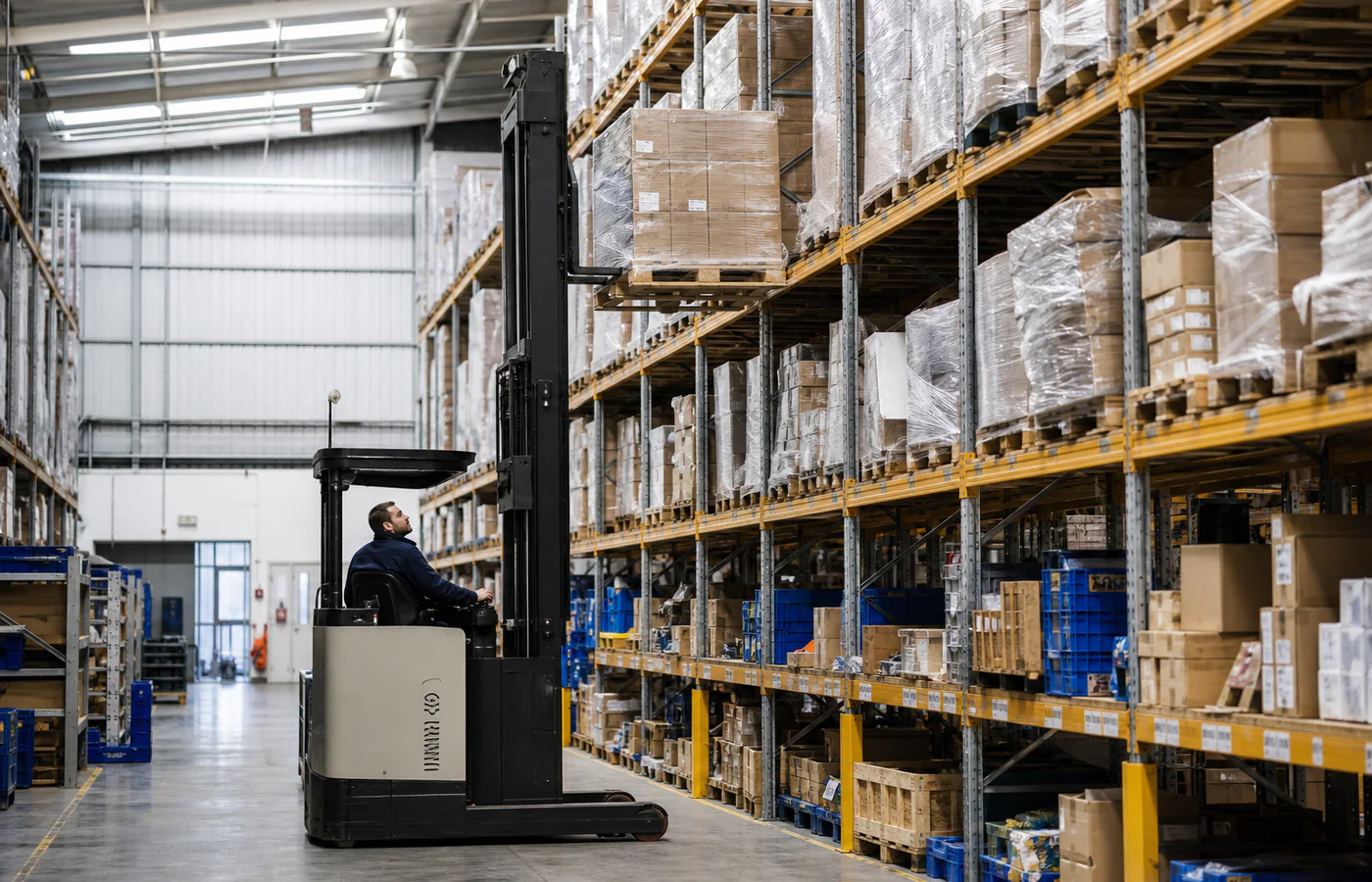

Protect your Amazon metrics and your weekends.
Tell us your monthly FBM volume, your current handling time and whether you also send into FBA. We will come back with a costed plan and an honest read on your account health risk.