
Cargo Transport That Keeps Stock Moving
Inbound containers, pallet networks and final-mile delivery — coordinated by the same team that holds your stock, so the handover never falls between two suppliers.
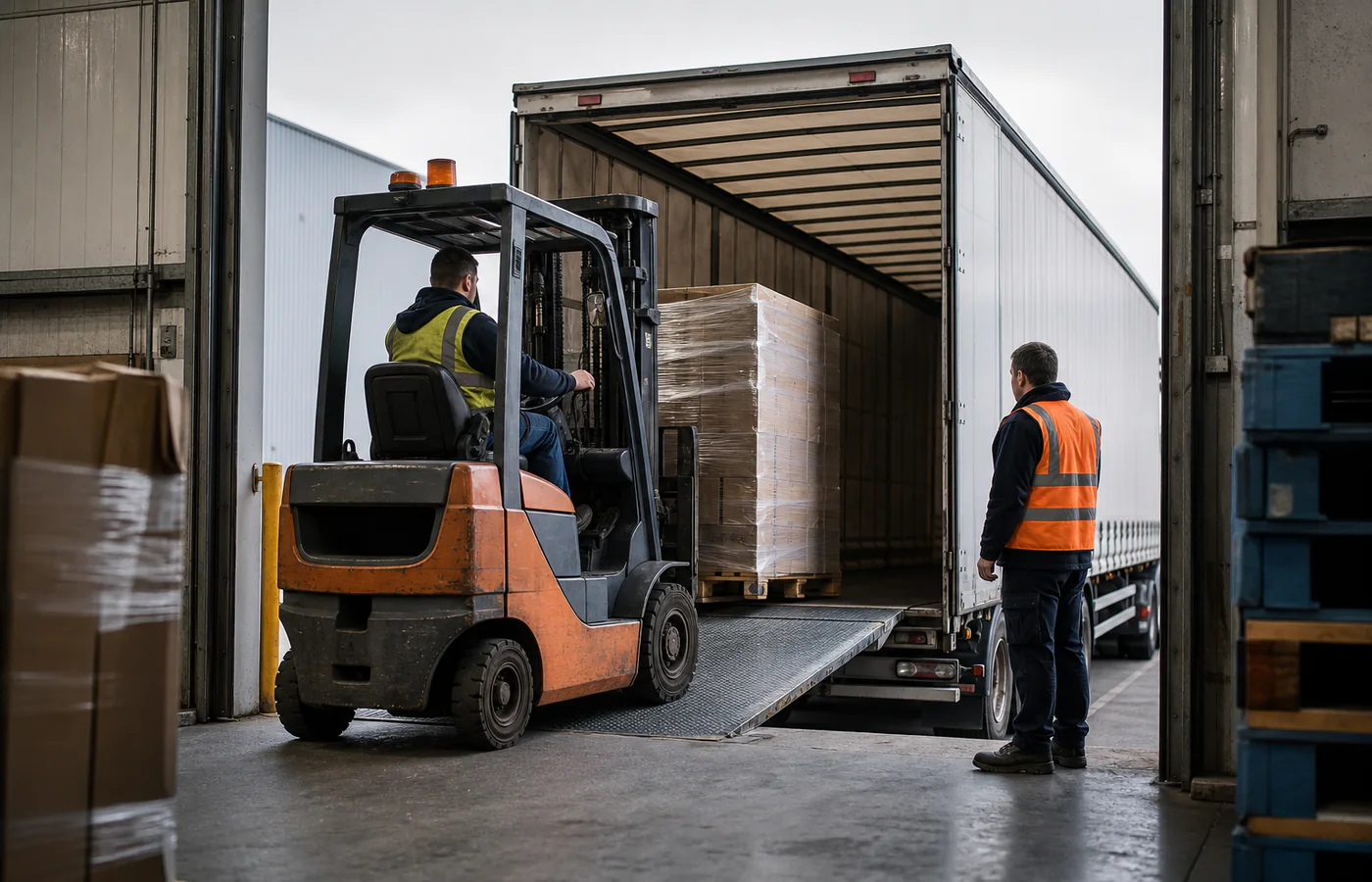
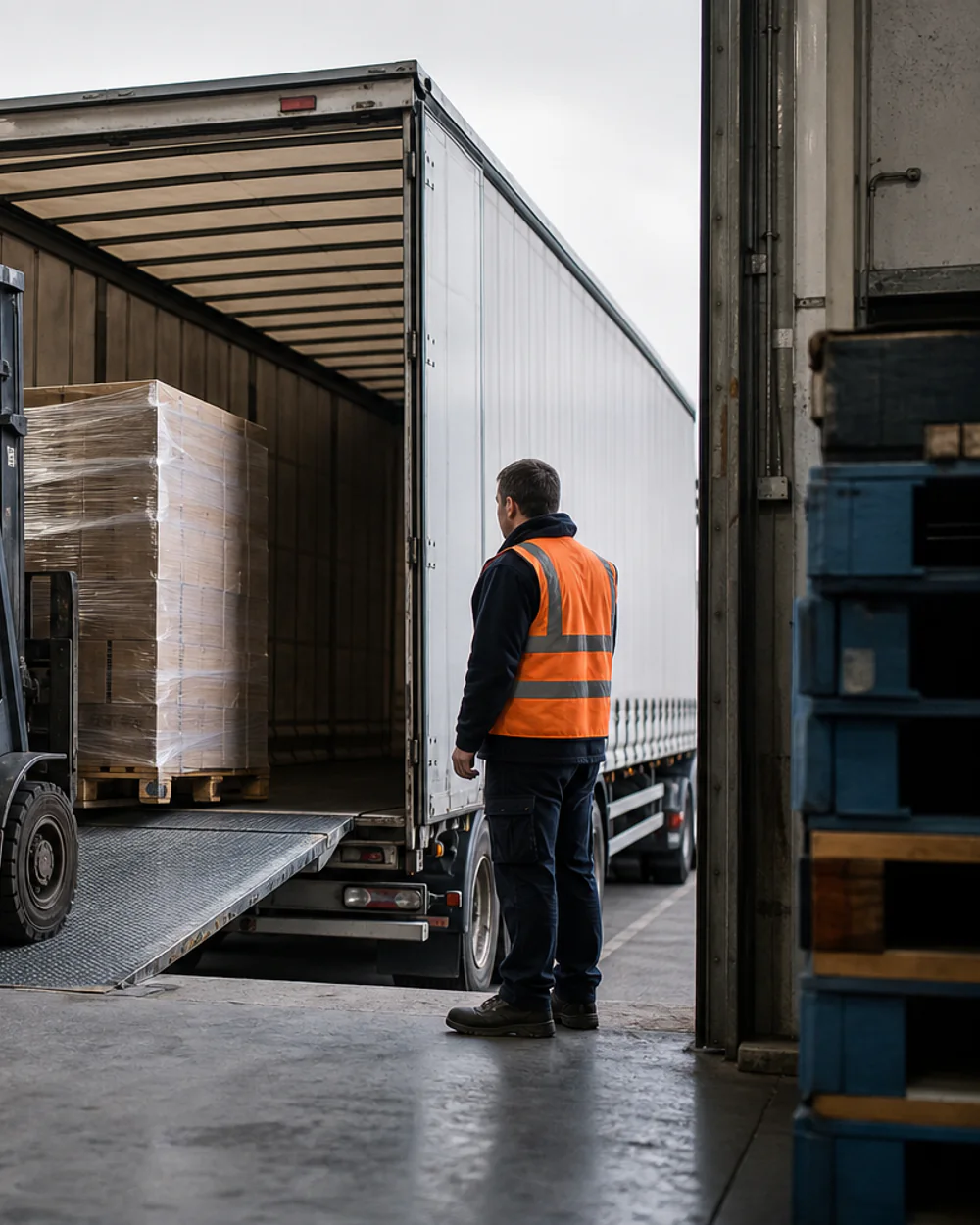
The handover is where freight goes wrong
Stock rarely gets lost in transit. It gets lost in the gaps — between the freight forwarder and the warehouse, between the customs broker and the driver, between the person who booked the container and the person expecting it at the dock.
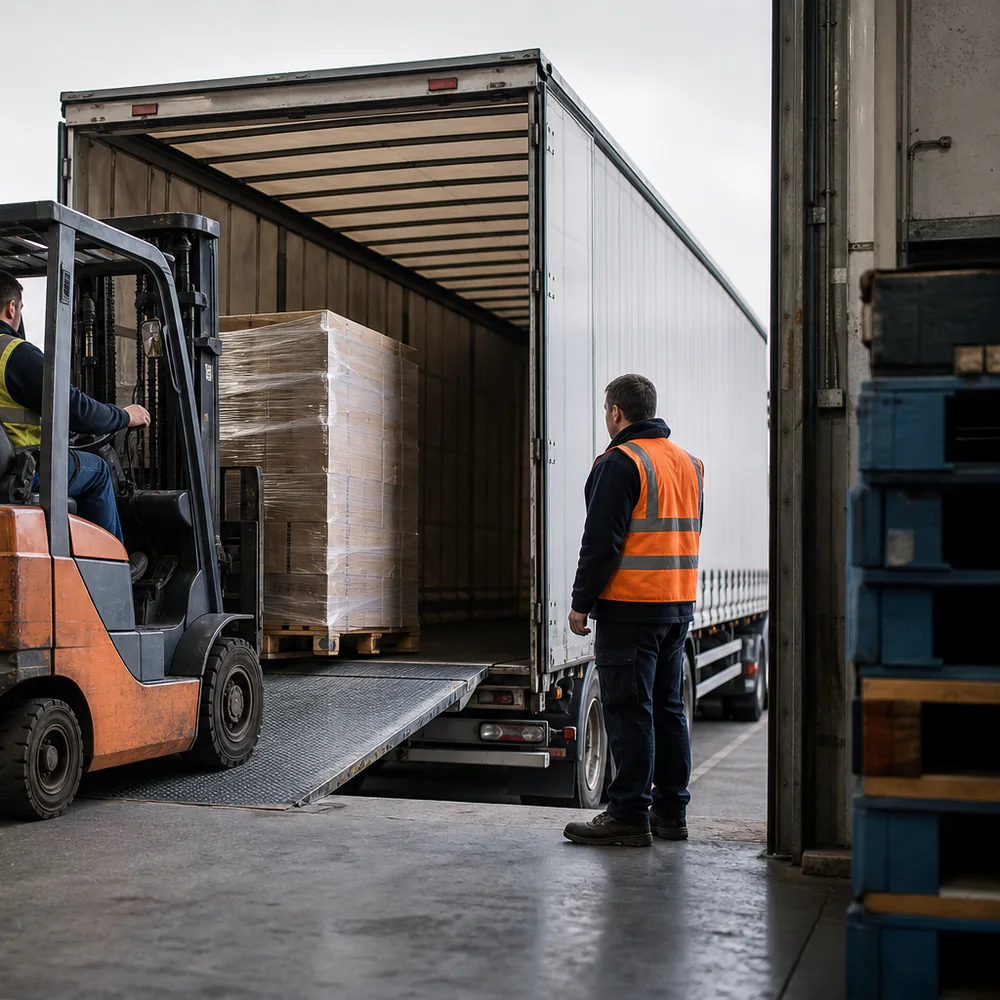
Because we hold the stock as well as move it, those gaps close. The team booking the delivery slot is the team unloading the trailer and putting it away, working from the same paperwork and the same expected arrival.
We handle inbound freight from your manufacturer, transfers between locations, wholesale deliveries into retailers, and outbound pallets to your own sites. Where a shipment needs customs documentation, we prepare it rather than handing you a checklist.
Everything covered by cargo transport
Inbound freight management
Collection from your manufacturer or port, delivery booked against a dock slot, and unloading coordinated with goods-in.
Container handling
Full and part container loads devanned, counted, checked for damage and put away, with discrepancies reported the same day.
Pallet network distribution
Single pallets to full loads moved on economy or next-day services across the UK and into Europe.
Customs documentation
Commercial invoices, packing lists, commodity codes and declarations prepared for import and export movements.
Retailer deliveries
Booked-in deliveries into retail distribution centres, packed and labelled to the retailer's routing guide.
Final-mile delivery
Two-person, timed and oversized deliveries for products that a standard parcel network will not carry.
The cargo transport process
The same sequence runs every time, which is what makes the result predictable.
- 01
Scope the movement
Origin, destination, weight, dimensions, value and deadline. From that we recommend a mode rather than defaulting to one.
- 02
Quote and book
You get a costed option per mode with realistic transit times, and we book once you choose.
- 03
Prepare documentation
Paperwork and customs declarations are prepared and checked before the shipment moves, not while it waits at a border.
- 04
Move and monitor
The shipment is tracked in transit and exceptions are escalated to you with an option, not just a notification.
- 05
Receive and reconcile
On arrival the load is checked against the paperwork and either put away or forwarded, with any shortage documented.
Documentation we prepare
Import and export paperwork is prepared by our team and checked before the shipment moves. You supply the product data once; we maintain it.
- Commercial invoice
- Packing list
- Bill of lading or air waybill
- Commodity and HS codes
- Import and export declarations
- Certificates of origin where required
- Dangerous goods paperwork where applicable
- Retailer routing and booking references
Freight modes and typical transit
Indicative transit times for planning purposes. Actual timings depend on lane, season, customs and carrier availability, and are confirmed on the quote.
| Mode | Indicative transit | Best suited to |
|---|---|---|
| Sea freight (FCL) | 4 – 8 weeks door to door | Bulk restocks with predictable lead times |
| Sea freight (LCL) | 5 – 9 weeks door to door | Part loads where a full container is not justified |
| Air freight | 3 – 10 days door to door | Launches, urgent restocks and high-value low-volume |
| Road — UK pallets | Next day to 3 days | Domestic distribution and wholesale deliveries |
| Road — European groupage | 3 – 7 days | EU restocking and returns consolidation |
| Final mile / two-person | Booked by appointment | Oversized, fragile or installed products |
What changes once this is running
One accountable party
No arguments between forwarder and warehouse about whose count was wrong — the same team does both.
Mode chosen on merit
Sea for volume, road for Europe, air when the deadline justifies the cost. We show the trade-off rather than deciding it for you.
Fewer border delays
Documentation prepared and checked before departure, which is where most customs hold-ups are actually created.
Straight into the pick face
Inbound stock lands where it will be picked from, so it is sellable within the put-away window rather than days later.
Cargo Transport FAQs
Looking for something more general? Read the full FAQ page.
Yes, though most clients use it alongside storage or fulfilment because that is where the coordination pays off. Standalone freight movements are quoted per shipment.
We prepare and submit the documentation and work with customs brokers on the lanes we run. You will need your own EORI number, and for some commodity types additional registrations — we will tell you which apply to your products before you ship.
It is counted against the packing list at devanning and anything short or damaged is photographed and reported the same day, with the evidence you need to raise a claim against the supplier or the carrier.
Yes. Retailer deliveries are booked into their slot system and prepared to their routing guide, including pallet configuration, labelling and paperwork. Getting this wrong is the usual cause of rejection at the gate, so we work from the current guide rather than a remembered version of it.
For sea freight, as early as your production schedule allows — rates and space tighten sharply before Chinese New Year and in the autumn peak. UK pallet movements can usually be booked within a day or two.
Services brands usually pair with this one
Get a freight quote
Send the origin, destination, dimensions and deadline. We will come back with costed options across the modes that actually fit.