
TikTok Shop Fulfilment For Volume You Cannot Forecast
The channel's problem is not average volume, it is variance. A video lands, three days of orders arrive in four hours, and the handling window does not move to accommodate it.
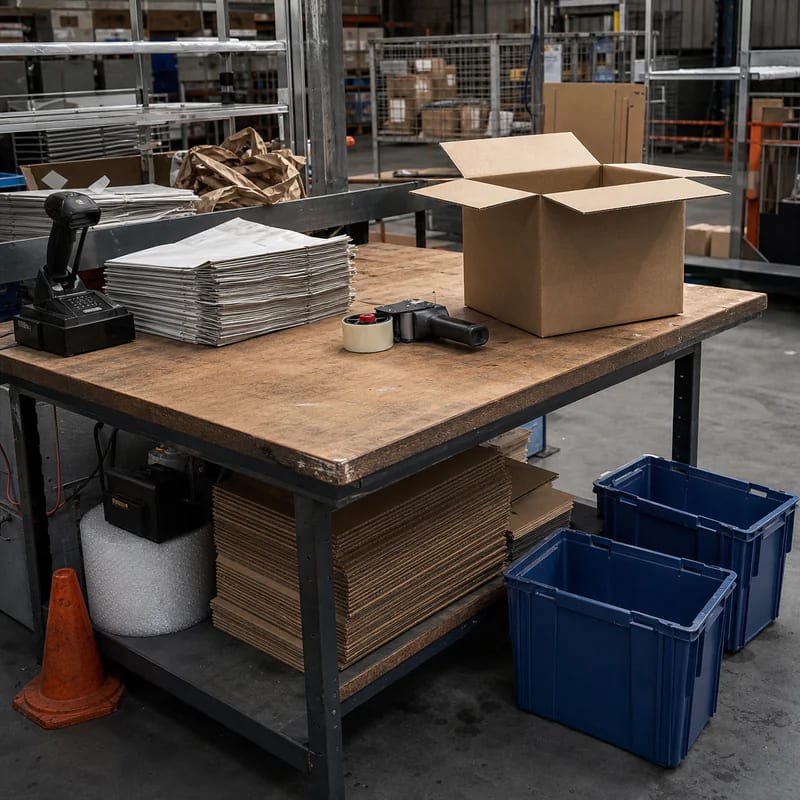
Why TikTok Shop breaks a fulfilment setup
Everything that makes the channel attractive — reach, speed, impulse purchase — is what makes it hard to fulfil.
Short handling windows
TikTok Shop expects dispatch fast, and measures you on it. A channel that can produce a thousand orders overnight also expects them out almost immediately.
Volume with no warning
There is no forecast. A creator video or a live session can multiply a day's orders inside an hour, and the operation either absorbs it or fails publicly.
Stock gone before the listing updates
At spike speed, a sync interval measured in tens of minutes is long enough to sell several times the stock you actually hold.
Label and packaging requirements
The channel has its own label format and packaging expectations, and non-compliant parcels create fulfilment defects rather than just annoyance.
Return rates on impulse purchases
Impulse buying produces returns at a higher rate than considered purchases. A returns process that is fine at normal volume becomes the bottleneck.
How we handle spike-driven channels
Surge capacity comes from sharing a floor. Your spike is absorbed by staff already on shift for other clients, which is the only version of surge capacity that does not require you to carry the cost of it in every quiet week.
Orders sync continuously and stock is allocated the moment an order lands rather than when a picker reaches the shelf — the interval that matters when a channel can sell your remaining cover in ten minutes. Where TikTok Shop penalises cancellations, a holdback figure you set keeps a buffer off the channel.
- Same-day dispatch inside the channel's handling window
- Continuous order sync with allocation at order, not at pick
- Buffer stock holdback to protect against overselling on a spike
- Channel-compliant labelling and packaging
- Surge absorbed by a shared floor rather than your own headcount
- Returns processed fast enough to keep pace with the return rate
What we set up before the first video lands
You cannot forecast the spike, but you can decide in advance what happens when it arrives.
A stock ceiling per SKU
You set how much of a line the channel may sell. It protects the SKU from being cleared out by one video while your other channels still have customers.
Priority routing for the channel
TikTok Shop orders can be routed ahead of longer-handling-time channels in the pick queue, because the window is tighter.
Pre-picked buffer for a launch
Where you know a campaign is coming, stock is staged to a forward pick face before it starts rather than after the orders arrive.
Packaging staged to volume
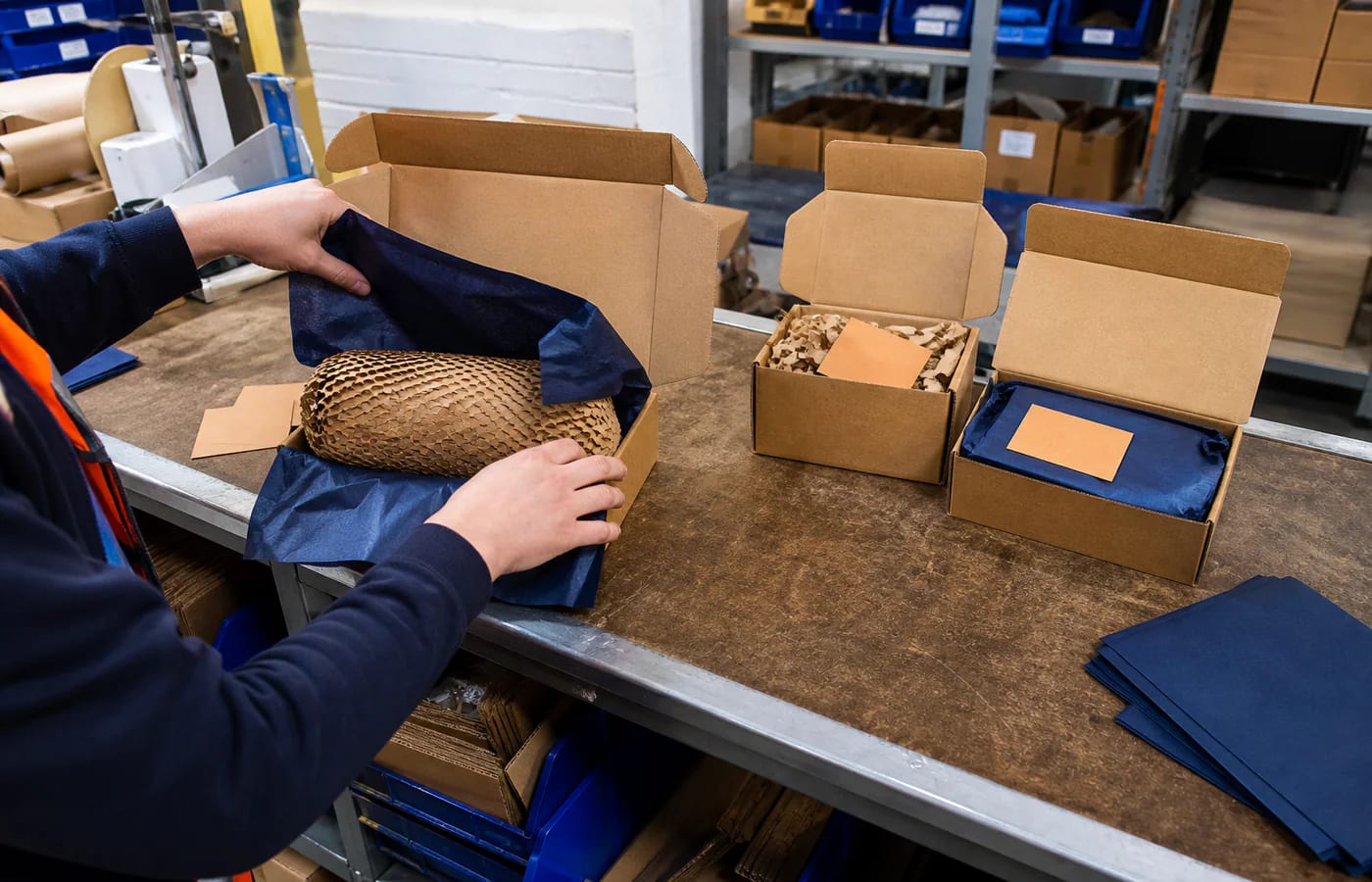
Cartons, mailers and inserts for the campaign are prepared in advance, because running out of mailers at hour two is a genuinely common failure.
A cut-off contingency
Where a spike is too large to clear in one day, the standing rule is agreed with you in advance: what ships first, and what the customer is told.
Post-campaign returns capacity
The returns wave arrives two to three weeks after the spike. Capacity is planned for it rather than discovered by it.
What makes surge capacity real
Every 3PL claims to handle peaks. These are the structural things that determine whether it is true.
A shared floor, already staffed
Capacity comes from staff on shift for other clients, not from a promise to recruit when it happens.
Allocation at order
Stock is reserved the moment the order lands. At spike speed this is the difference between selling out and overselling.
Holdback you control
You set the buffer. It is your protection against a cancellation defect, and it is enforced by the system rather than by attention.
Dispatch timestamps per order
Whether the handling window was met is a matter of record on each order, not a claim about the day overall.
TikTok Shop Fulfilment questions
The ones that come up on almost every call about this.
Orders queue against your allocated stock and are picked in the morning against the priority routing we agreed. If the volume exceeds what can clear in one day, the standing rule you set decides what ships first, and your account manager calls you rather than letting you find out from customer messages.
For orders that arrive before our 21:00 cut-off on a working day, yes. Orders arriving overnight dispatch the following working day, which fits the channel's standard window. If you are running live sessions at particular times, tell us and we will plan the shift around them.
Two mechanisms. Stock is allocated at the moment the order is created rather than at pick, and you set a holdback figure that keeps a buffer off the channel entirely. Together they cover both the sync-lag problem and the race between channels.
Yes. Labels are generated to the channel's specification at pack, along with any packaging requirements that apply to your category.
No. Your band is set by your total orders for the month, starting at £1.00 per order. What matters more here is variance: if you are running campaigns, tell us the expected shape rather than the monthly average.
Yes, from one pool, with a ceiling per channel if you want one. Selling the same stock across channels without a shared pool is what produces the cancellations the channel penalises.
Where to look next



Be ready before the video lands, not after.
Tell us your category, your typical volume and the shape of your campaigns. We will plan capacity, holdback and routing before you need them.